In Sickness and In Health
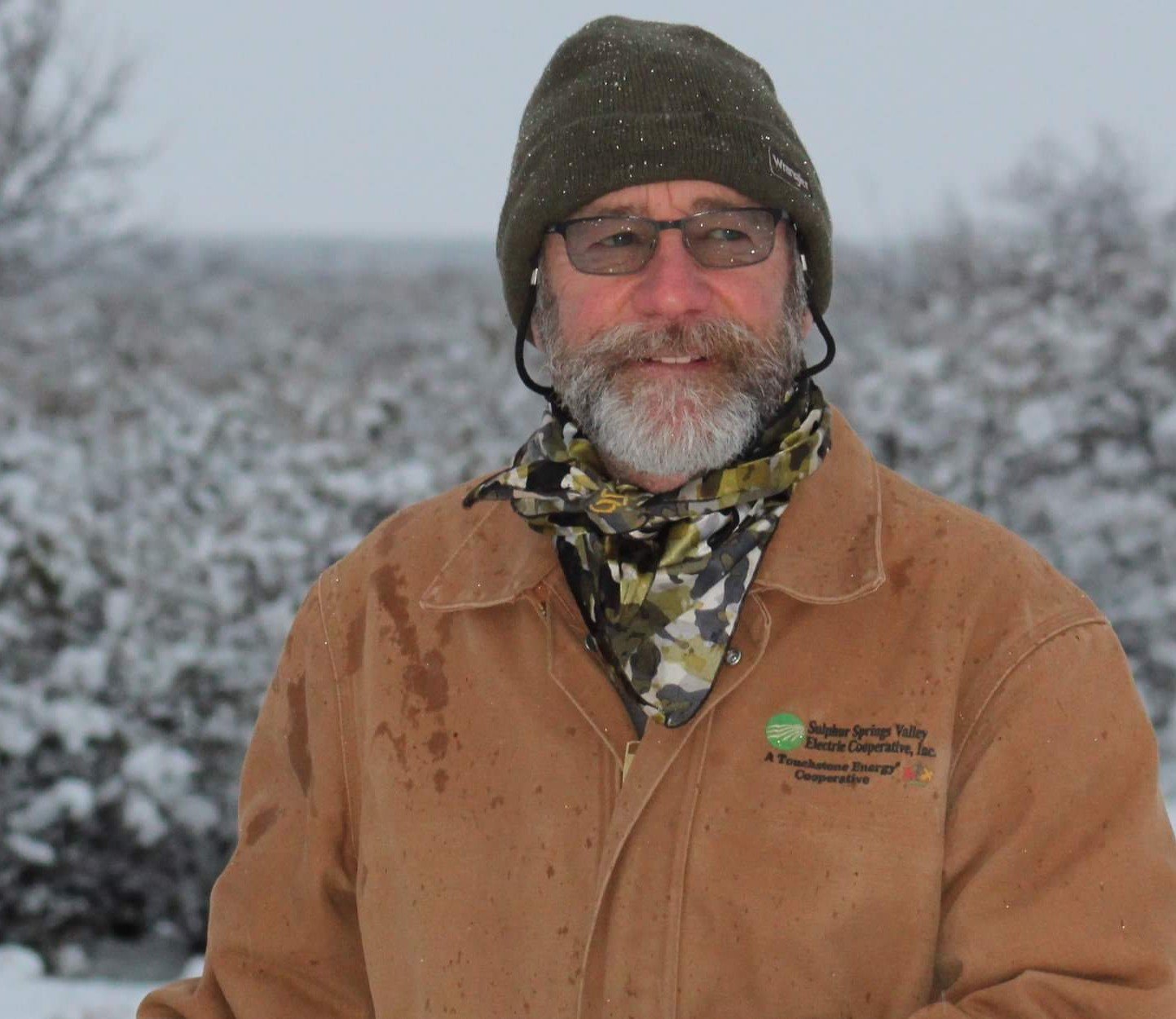
I wrestle with how far back to go in telling this story. Was it eleven years ago when my husband, Ron, upped and quit his job at sixty-two? “I’m retiring,” he said.
“What? Are you insane? We don’t have a plan,” I said. He was the engineering manager at a local electric co-op, a job he loved until it got too difficult.
“I’m going to do some consulting work,” he said.
A week later, he called me a buzzkill when I said I wasn’t moving to Mozambique, where there was an electric project that could use his help.
Was it six years ago when Ron ordered two different sets of brake drums, swearing the auto shop sent him the wrong parts, until a friend looked under the truck and told Ron he was installing them backwards?
“I hate working on my trucks,” he said.
Up until that day, keeping old things running had been his passion.
Was it five years ago when I found him in our airplane hangar in Animas, New Mexico, sorting through nuts and bolts a week before moving to town? Ron, a project manager, still had a mountain of stuff to pack. “What are you doing?” I asked.
“This is all so overwhelming,” he said.
Or, do I begin the day I understood something was terribly wrong with my husband?
It was August 2023. We were arguing over something stupid when I thought, Oh, my God, you’re acting just like your mother.
My mother-in-law, Natalie, had dementia. No longer able to care for herself, she lived in a nursing home in Phoenix, not far from Ron’s brother, Kiko.
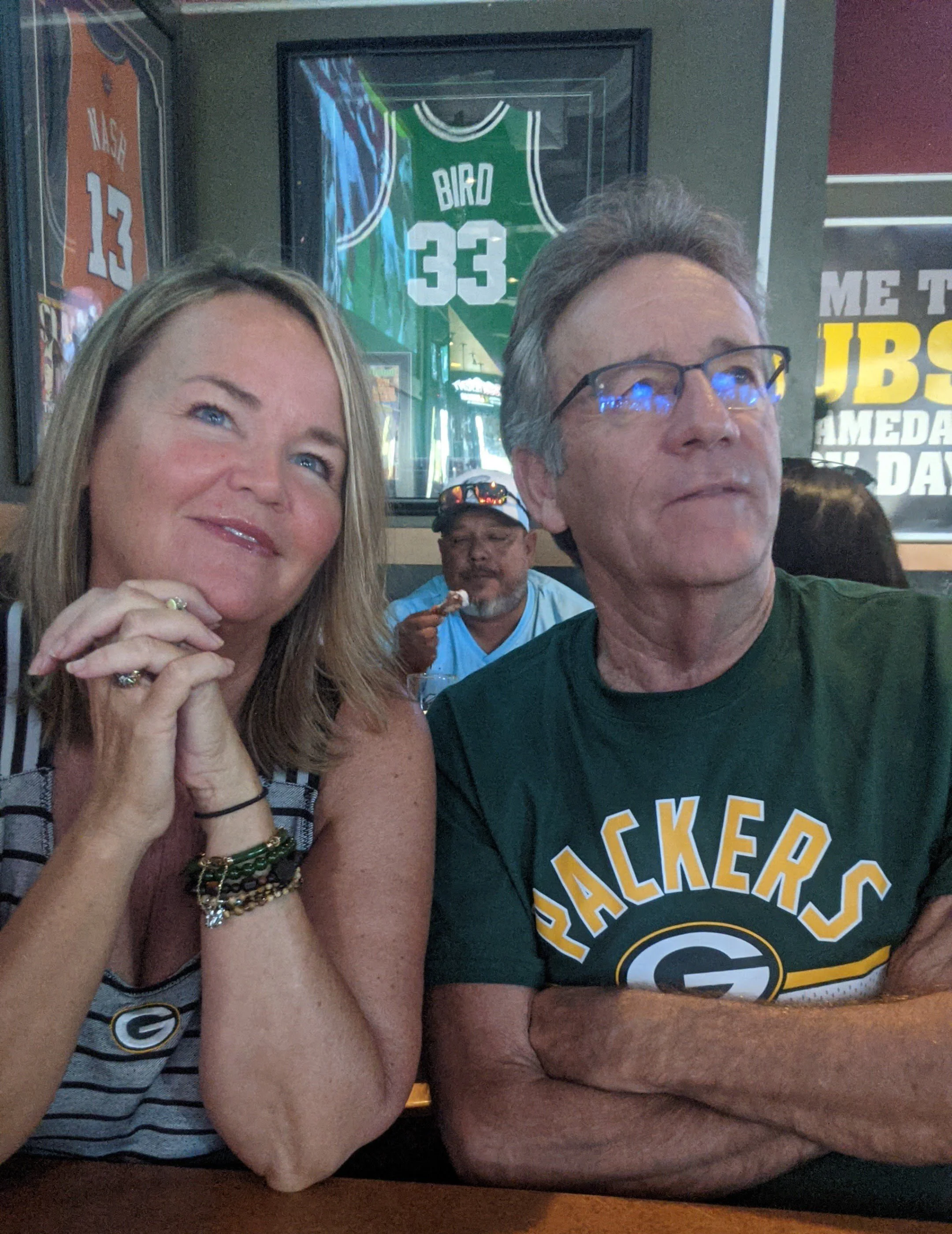
My sister Kelli and Ron
Ron went and sat out on the back patio as I paced in the living room, my brain collecting and organizing memories into folders with titles like: Ron’s Crazy Behavior, Nonsensical Marital Arguments, Anger Targeted at Beth, Apathy Towards Beth and Marriage.
What was missing was a folder titled Memory Loss. Ron was still doing our taxes, planning hunting trips, and working on projects at our new airplane hangar. Sure, he sometimes lost track of time or forgot his phone when he left the house. But aren’t we all guilty of that?
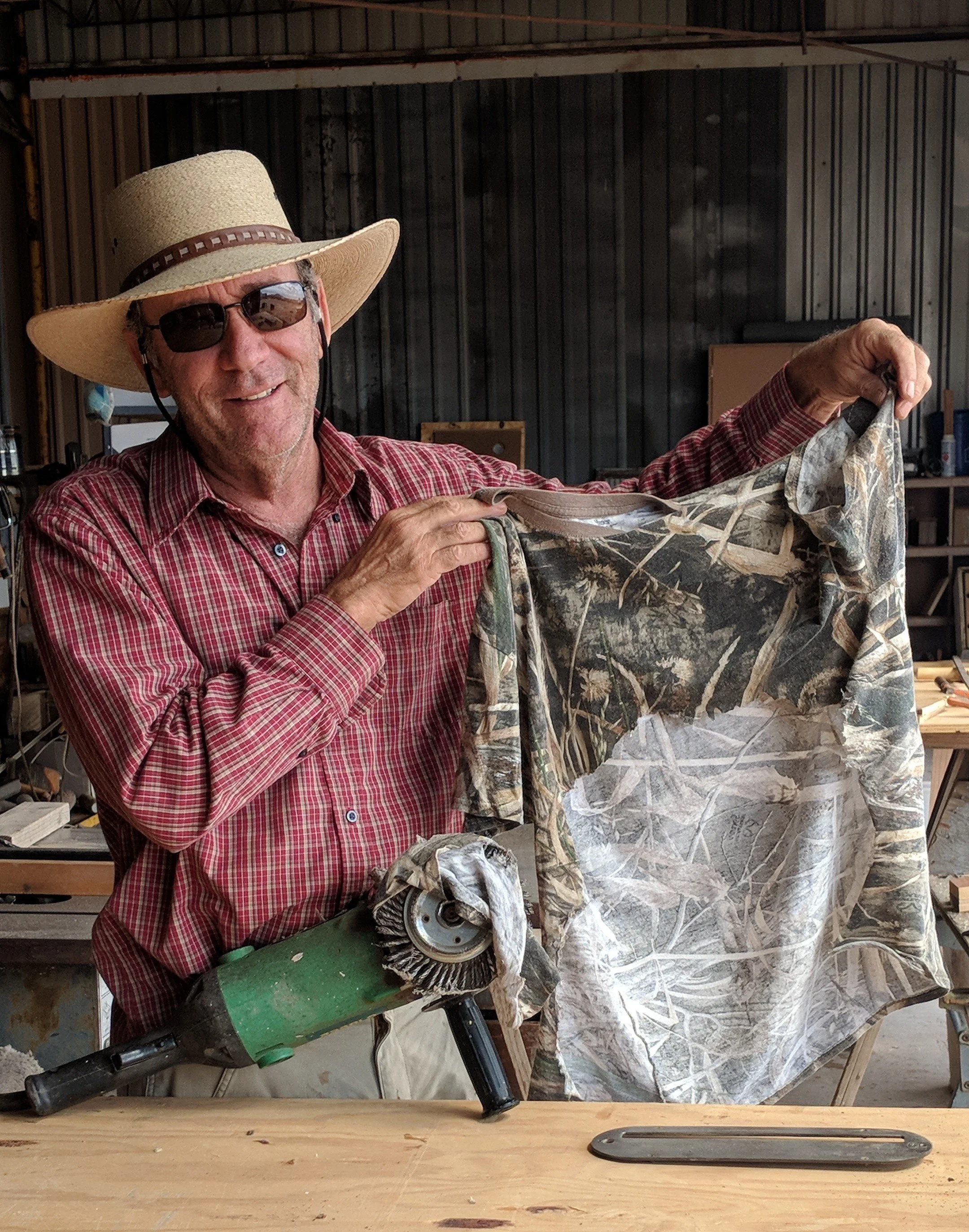
What had changed and was now so clear was that Ron no longer seemed to enjoy life. A kind of rage boiled just under his skin. Loud or unexpected noises made him jump and curse. He complained that I was too chatty or too quiet or too fun or too dull or too just about anything. We fought a lot as I tried to maintain my autonomy. It then dawned on me that I had become responsible for our daily lives. I had to remind Ron of upcoming appointments and social events. I did everything in the house and asked very little from him to avoid arguments. I shrugged off criticism to keep the peace. My resentment and frustration were through the roof. And until that day, I had yet to say these words out loud: I want a divorce.
I met my mother-in-law years after she could no longer make a meal or read a book. Ron was nothing like that. Why did he remind me so much of her?
I went outside and sat across from my husband. “Something is wrong with you, and I can’t go on like this if things don’t change,” I said.
“What did I do wrong, now?”
And there it was. That was Natalie. So very sweet until she felt threatened, and because of the disease, everything was a threat.
“I see your mom in you, Ron. So, either we get you evaluated, or you are no longer allowed in the house.”
“What do you mean?”
“I think you have what your mom has. I think you have dementia. We can make this work, but if you don’t want to see a doctor, I’m filing for divorce.”
All the anger and agitation that had been there for so long drained from Ron’s face. He looked at ease or even relieved. “I think you’re right. I think I need to see someone.”
Nearly three years have passed since that morning on the patio, and so much has happened. We found a doctor at the Banner Alzheimer’s Institute in Tucson, a place dedicated to both patients and caregivers. Ron has had neuropsychological tests, MRIs, blood work, and counseling. All of our doctors are now with Banner University Medical Center. This way, I can keep track of our appointments, lab results, and medication in a single portal. It also allows our doctors access to our medical records, saving them and us time. Ron’s Alzheimer’s doctor is our point of contact when he is prescribed drugs or procedures, so I don’t have to worry about drug interactions or the effects they have on his brain. All this allows me time to focus on our busy lives.
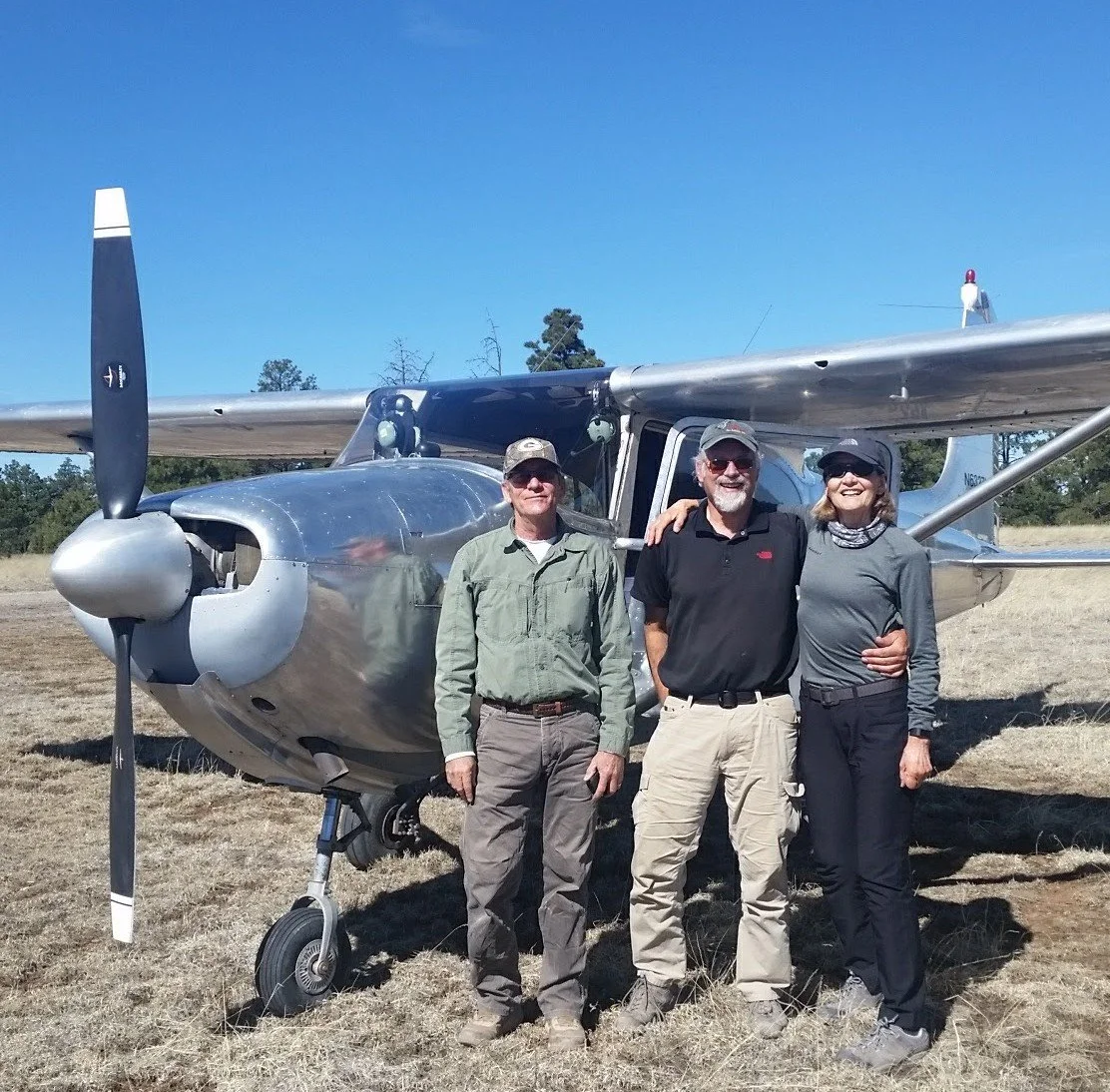
A day in the Gila Wilderness with friends James and Nancy
We are learning that being with friends and family, keeping routines, and walking away when tempers flare are essential to a fulfilling life. Ron can still do nearly all the things the rest of us do to make it through the day, but he struggles sometimes with simple tasks and making sense of new things. His frustration comes from that sense we all have when we can’t find our keys or remember the name of someone we’ve known for ages. The difference is that most of us find what we’re looking for.
Ron is a very social person. Being at his airplane hangar, working on projects, and talking about the future while sipping whiskey with friends gives him something to look forward to most days. He can’t fly his airplane anymore, but he still drives, cooks his breakfast, and runs errands when I need something. Keeping him in the loop, relying on him to do his part, and holding him accountable are all important to his overall health.
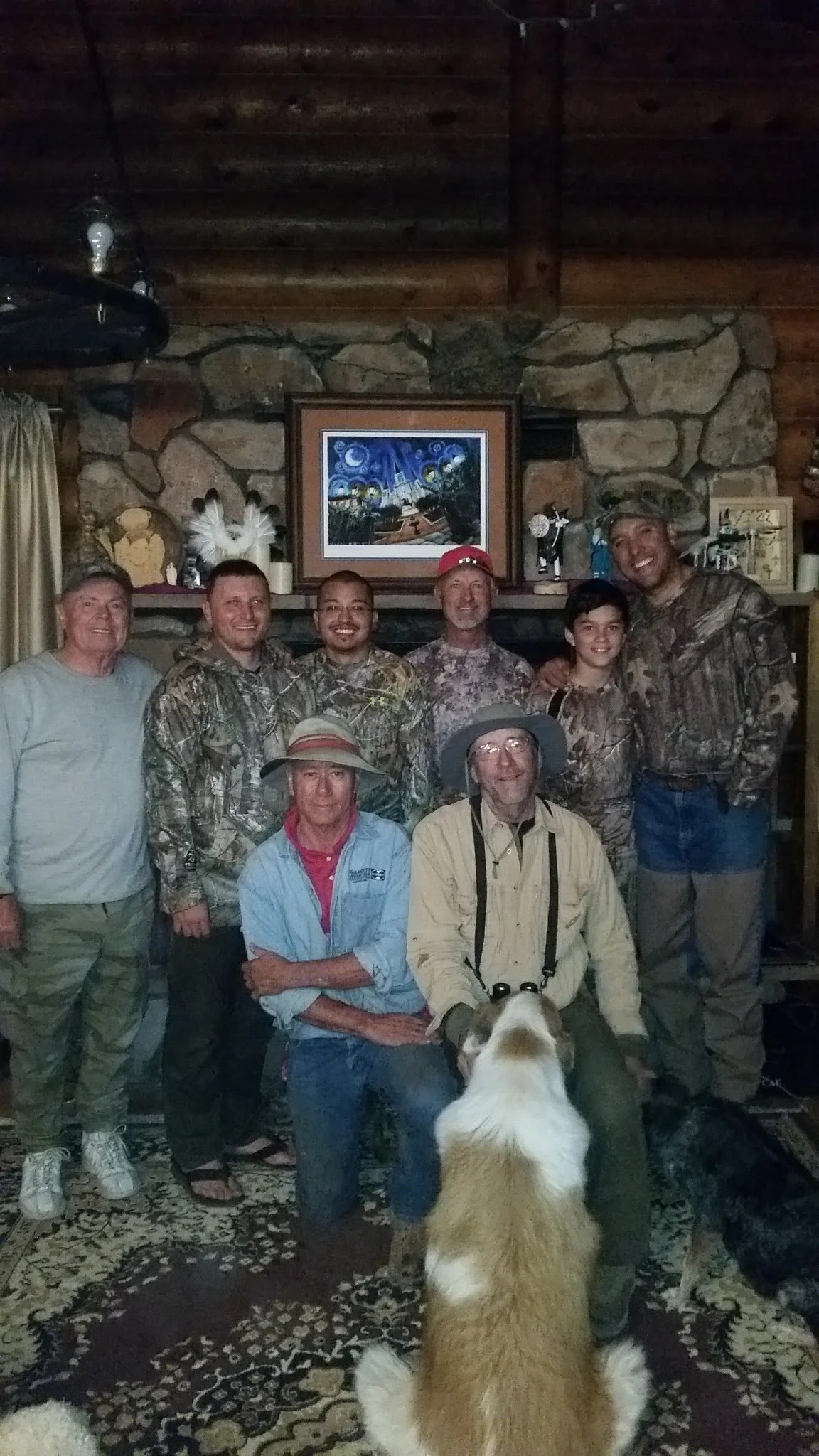
I am still adjusting to my new role as a caregiver. Some days are rough, but I have a great group of friends. I have also made new friends who are in similar circumstances with their husbands or other family members. They are my lifeline, my angels. Many well-meaning people want to help by offering their advice on supplements, diets, and what it is I should be doing for Ron. We trust our doctors and counselors to have our best interests in mind.
The thing that hurts the most is when friends and family say that Ron seems fine. He does seem fine in social settings or when he’s having a good day. But there are bad days, too. Bad moments when he can’t follow a TV show’s plot line, or like right now, when he can’t find his phone, and it doesn’t bother him in the least that it could be on a table at our local pool, where he went swimming this morning, or in the grocery store parking lot.
Two weeks ago, Ron was diagnosed with Alzheimer’s disease. This is the cruel truth we had hoped to avoid. The frog in the pot we can’t rescue. Up until then, we were able to live with the murky hope that maybe this was just part of aging and that things might not be as bad as they seemed. But they are, and we are on this journey together. For now, it’s enough.
…
So, why share our story?
Ron and I have spoken at length about telling people. We have both witnessed friends and family members become isolated when there is a health crisis, which this is. We need our loved ones now more than ever. We also want to break the silence and stigma associated with Alzheimer’s disease. It is not the end of the world…
If our story rings true to what it is you are experiencing, please reach out. We hope to support and learn from others.