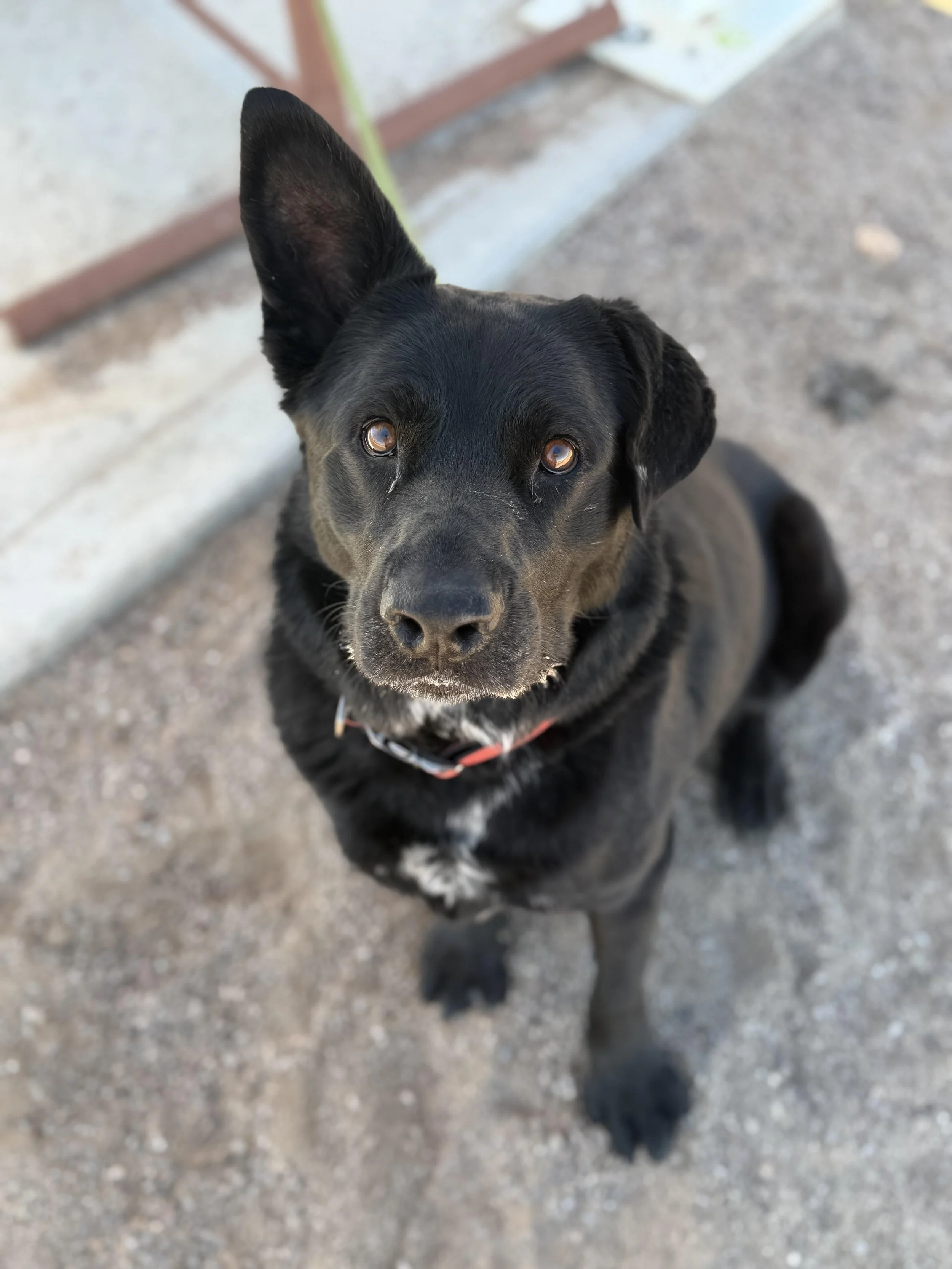
Onyx
A friend and local veterinarian texted, wondering if I could help out at a community rabies clinic at our local shelter. My mind raced and my stomach dropped. The local shelter? No thank you. I mean, this is the place where abused, neglected, and abandoned animals go to be euthanized.
I imagined all kinds of horrible things: Walking down rows of chain link kennels subjected to the cries and pleading eyes of pitiful pooches. Entering a dark room lined with tiny, cold prison cells housing sick and injured kitties. Hearing the cries and moans of suffering animals.
These are things many of us conjure up when we think of animal shelters, especially if you remember singer/songwriter Sarah McLachlan’s oh so sad American Society for the Prevention of Cruelty to Animals (ASPCA) commercial, which rose from my memory like the Ghost of Christmas Past.
I love animals. My home is designed with their comfort and well-being in mind. I spend hours every day, walking, playing, feeding, and most importantly, loving our pets. It’s a lot of work keeping everyone healthy and happy. And in return, they keep me healthy and happy. How could I enter a place that housed discarded and abused animals?
And then I went to the shelter.
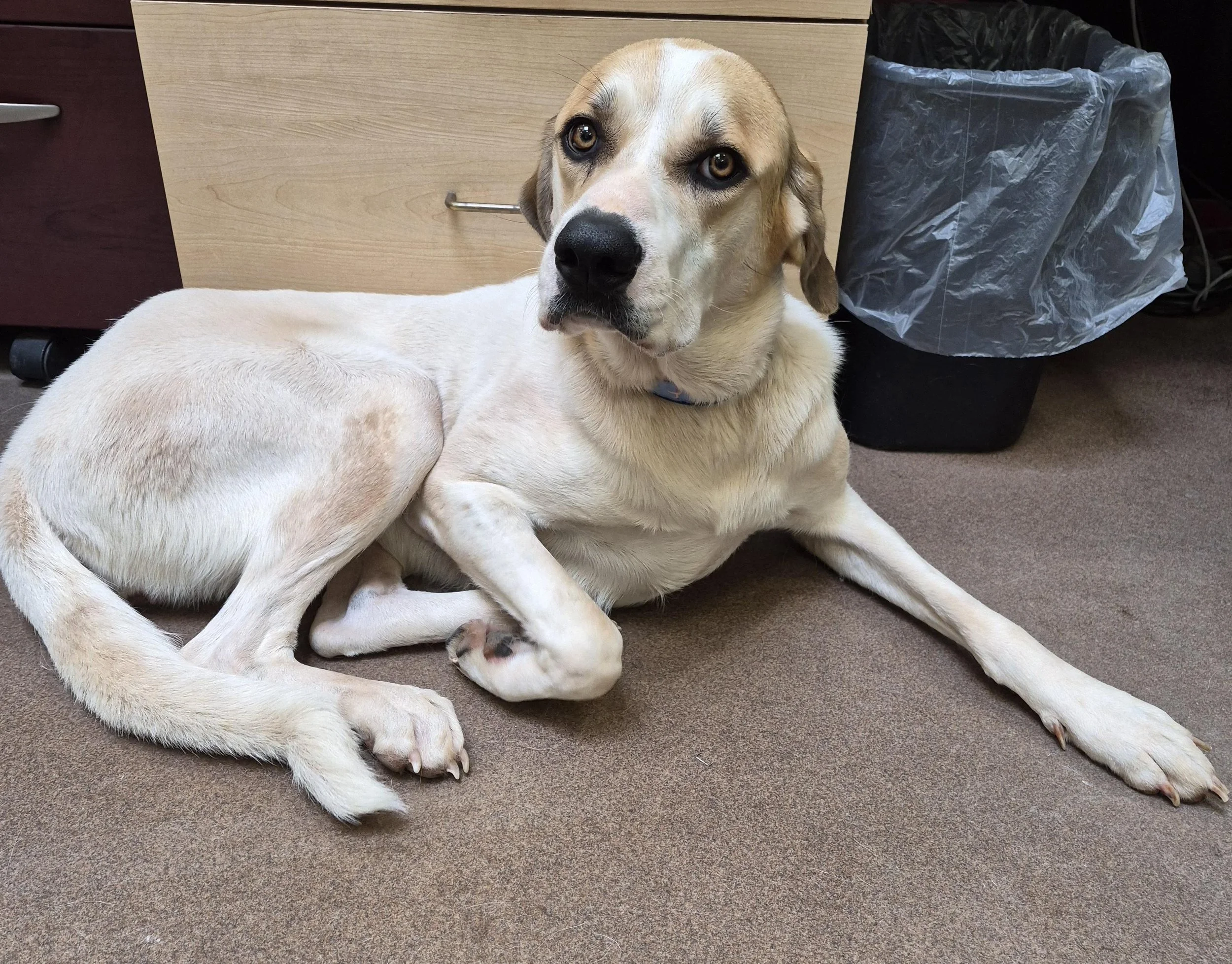
Shadow
The Nancy J. Brua Animal Care Center is a 12,500 square foot building that borders the Environmental Operations Park in Sierra Vista, Arizona. The shelter opens at noon, but I arrived at 10 am for the rabies clinic where people waiting in their cars with their pets lined the parking lot. It was hectic inside as employees and volunteers got things organized. I found the vet in the back room setting up. Her infectious smile reassured me.
I was asked to weigh dogs coming through the door, and I was thrilled! As soon as those fury faces entered the waiting room, and I saw the love and care each received, I knew I had found my people.
When things slowed down a bit, a volunteer offered to give me a tour of the facility. The building is huge with doors and hallways leading every which way. The front office screams, “We’re happy you’re here, but we are very busy saving our four-legged friends, so please make it snappy!” If it wasn’t for my tour guide, I would still be wandering the halls, stopping often to cuddle a doggie or kitty. Or maybe a bunny or guinea pig. This is an equal opportunity center. All are welcome.
Most people who bring an animal into their home have good intentions until it becomes an inconvenience, or there are behavioral issues, or someone loses a job, and the cost of having a pet becomes too expensive. Sometimes an owner has moved or passed away, or a dog gets out or a cat is hit by a car. Or. Or. Or. In the end, the lucky ones are surrendered by caring bystanders or brought into the shelter by animal control officers.
The staff and volunteers do anything in their power to save a neglected, injured, or sick animal. Dog kennels are clean and heated in the winter and air conditioned in the summer. There are doggie areas and play groups galore and walking trails leading to a birder’s heaven that volunteers use regularly. There are playrooms where kittens and kitties are socialized before adoption. Shelving units line halls with towels, blankets, food, medication, toys, and anything and everything else to keep animals comfortable, healthy, and safe. And there is noise. So much noise! We are all loud, or aggressive, or cower when we are scared or feel threatened. And thank God for the staff and volunteers who work tirelessly to make their fury guests feel safe and loved.
I have never rescued a dog or cat from a shelter because of my own fears. The fear that I won’t be able to look a dog in the eye and not take it home immediately. The fear that shelter employees have seen too much and are hardened in ways that would crush me. The fear that I might break down and cry.
Once I got over my fears and the sensation that I was lost in a corn maze, I asked questions. Who owns and pays for the shelter? Who pays for the low-cost vaccine and spay/neuter clinics? How long are animals housed? Who pays medical bills?
The answers, I imagine, are similar in towns across the country. Cities and counties do their best to support shelters, but every community has its unique problems, and the money allocated to them only stretch so far. This is why volunteers are so important.
When I mentioned I would like to volunteer, the flood gates opened. I could work at the shelter walking dogs, playing with cats, cleaning kennels, and assisting staff at clinics. I could help at community adoption and shelter information events. Would I like to volunteer for Friends of the Animal Shelter, a non-profit that raises money to help pay for programs, supplies, and facility upgrades?
Driving home, the more philosophical questions hit me hard. Why is this still such a problem in our country? Why are animals abandoned and surrendered by the same people who committed to their welfare? Why aren’t people spaying and neutering their cats and dogs?
Every animal in our family was given to us because they either exhibited behavioral problems, were abandoned, or in the case of our sweet and delightful pugs, were surrendered because the owner was moving and didn’t want dog hair in her car. Most of our cats came to us as ferals because neighbors let their intact cats run wild, causing a population boom that took me two years, and tons of money, time, and patience to get under control.
So back to that Sarah McLachlan commercial. I think it’s sometimes better to celebrate wins and successes than to pull on heartstrings. That kind of sadness and hopelessness kept me from entering our local shelter until the vet asked for my help. And I am happy to report, our local shelter is not a place of despair, rather it is one of hope and lots of love and appreciation from four-legged friends waiting on families to adopt them.
If you love animals or appreciate the struggles they face, there are things you can do in your community. First and foremost, spay/neuter your animals, so that puppies and kittens never have to see the inside of shelter. Adopt! Adopt! Adopt! Volunteer if you have time, or drop off a bag of cat or dog food. Litter is always needed and cash donations are great! If your shelter is supported by a nonprofit organization, that’s where your money should go. Get the facts before writing a check. In the meantime, I would love to hear your pet stories!
If you are in the area and want to help the Nancy J. Brua Animal Care Center, here are some resources. Hope to see you there!
Friends of the Sierra Vista Animal Shelter
Pets available for adoption right now!! (If you adopt Onyx or Shadow, please let me know. They would be here with me now if we had room.)